Latest Updates On Space Exploration Missions
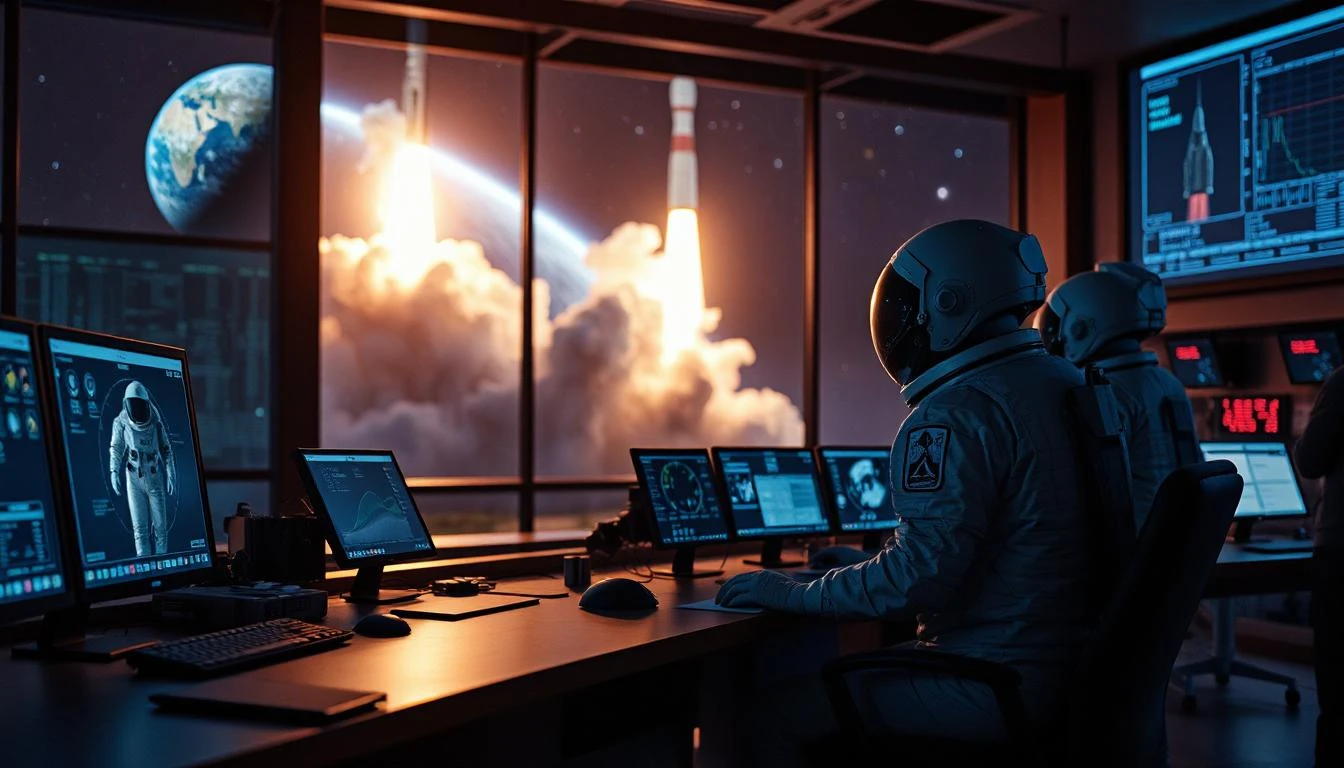
Space exploration today feels less like distant science and more like a living system that keeps updating itself in real time. Rockets launch, satellites reposition, and probes drift deeper into space while data streams back to Earth at unimaginable speed. Every movement carries meaning, even if most people only see headlines flashing for a second before disappearing.
Inside this fast-moving landscape, latest space exploration mission updates trends are shaping how agencies, private companies, and research institutions plan their next steps. What once took decades of preparation is now evolving into continuous cycles of testing, launching, and refining. The sky is no longer the limit, it is more like a crowded highway of ambition, calculation, and curiosity.
Current Progress in Space Exploration
Space exploration progress is no longer slow or symbolic. It is technical, competitive, and surprisingly routine in some areas. What used to be historic events are now part of a steady operational rhythm, where innovation is measured in reusability, speed, and precision. The space exploration ongoing missions development news reflects how modern missions are becoming more interconnected, with agencies sharing data and private companies accelerating launch cycles. This collaboration is reshaping expectations for what space programs can achieve in a short time.
Recent rocket launch developments
Rocket launches have entered a new era of efficiency. Reusable systems, faster turnaround times, and heavier payload capabilities are becoming standard. Instead of treating rockets as single-use machines, engineers now design them as reusable transport systems that return, land, and fly again with minimal downtime.
International space agency collaboration
Global cooperation is no longer optional in space exploration. Agencies such as NASA, ESA, JAXA, and others are combining expertise and resources to handle increasingly complex missions. This shift has turned space exploration into a shared scientific ecosystem rather than isolated national projects.
Advancements in reusable spacecraft
Reusable spacecraft are changing the economics of space travel. The ability to recover and relaunch systems dramatically reduces cost and increases mission frequency. This innovation is one of the strongest indicators of how rapidly the latest space exploration mission updates trends are evolving toward sustainability and scalability.
Upcoming Missions and Future Plans
Future space missions are no longer speculative ideas. They are structured, funded, and actively tested. Planning now extends beyond exploration toward long-term habitation, resource utilization, and interplanetary infrastructure. Experts frequently highlight how space exploration ongoing missions development news is increasingly focused on sustainable presence rather than short visits. This shift signals a deeper transformation in how humanity views its role beyond Earth.
Next moon exploration projects
The Moon is becoming a strategic base rather than a destination. Upcoming projects focus on building infrastructure, testing habitats, and analyzing lunar resources such as water ice. These missions are essential stepping stones for deeper space exploration.
Mars colonization research updates
Mars research has moved from theoretical modeling to practical experimentation. Scientists are testing habitat designs, radiation shielding, and food production systems that could support long-term human survival. The idea of Mars settlement is now treated as an engineering challenge rather than science fiction.
Deep space probe missions
Deep space probes are expanding humanity’s reach far beyond the solar system’s familiar boundaries. These missions travel slowly but deliver high-value data about asteroids, outer planets, and interstellar conditions, revealing patterns that were previously invisible.
Technology Powering Modern Space Missions
Modern space exploration is powered by technologies that combine precision engineering with advanced computational systems. These tools are not just supporting missions, they are actively shaping how decisions are made in space. The latest space exploration mission updates trends highlight how artificial intelligence, propulsion innovation, and communication systems are merging into a single intelligent framework that guides mission success.
AI in space navigation systems
Artificial intelligence is now essential for navigation, anomaly detection, and real-time decision-making. AI systems can react faster than human operators, adjusting trajectories and analyzing risks instantly during critical mission phases.
Advanced propulsion technologies
New propulsion systems such as ion drives and experimental nuclear concepts are being developed to reduce travel time across vast distances. These innovations are crucial for future missions that aim to reach destinations far beyond Mars.
Satellite communication improvements
Communication technology has become a backbone of space exploration. Improved satellite networks and deep space communication systems ensure that data transmission remains stable even across millions of kilometers.
Stay Updated With Space Exploration Breakthroughs
Space exploration is evolving so rapidly that staying informed feels like tracking a constantly moving frontier. New missions launch while older ones are still sending data, creating a continuous stream of discovery that reshapes scientific understanding almost daily. Researchers often emphasize that keeping up with space exploration ongoing missions development news is essential for understanding broader technological shifts on Earth as well. As Carl Sagan once said, “Somewhere, something incredible is waiting to be known,” a reminder that exploration is not just about distance but about perspective.